
What is a Building Designer?
Building Designers shape the homes people live in. They bring ideas to life through creative, practical residential design—often drawing on real-world building experience to create spaces that truly work.
As a Building Designer, you focus on residential projects: new homes, additions, remodels, accessory dwelling units (ADUs), and tiny houses. Unlike architects, who are licensed to design every type of building from hospitals to high-rises, Building Designers specialize in the single-family and small-scale residential world.
Many Building Designers come from hands-on backgrounds—construction, fabrication, site work, or trades—and have mastered modern CAD tools through real projects rather than traditional university programs. This practical foundation gives them a unique edge: they understand how designs translate to the job site, how to anticipate challenges, and how to create plans that builders and clients trust.
While architecture firms often provide engineering and interior design in-house, Building Designers build flexible teams, collaborating with structural engineers, interior designers, and other specialists as needed. This approach keeps overhead low while ensuring each project gets the right expertise.
For homeowners, choosing between an architect and a building designer often comes down to project type, budget, working style, and personal fit. Both can deliver great results—but Building Designers offer a grounded, builder-informed approach that resonates in the residential space.
At Design Build Academy, we believe builders are in a perfect position to step into this role. Your field experience is already a powerful foundation. With the right tools, process, and training, you can become the professional homeowners rely on to bring their visions to life—and build a thriving design practice of your own.
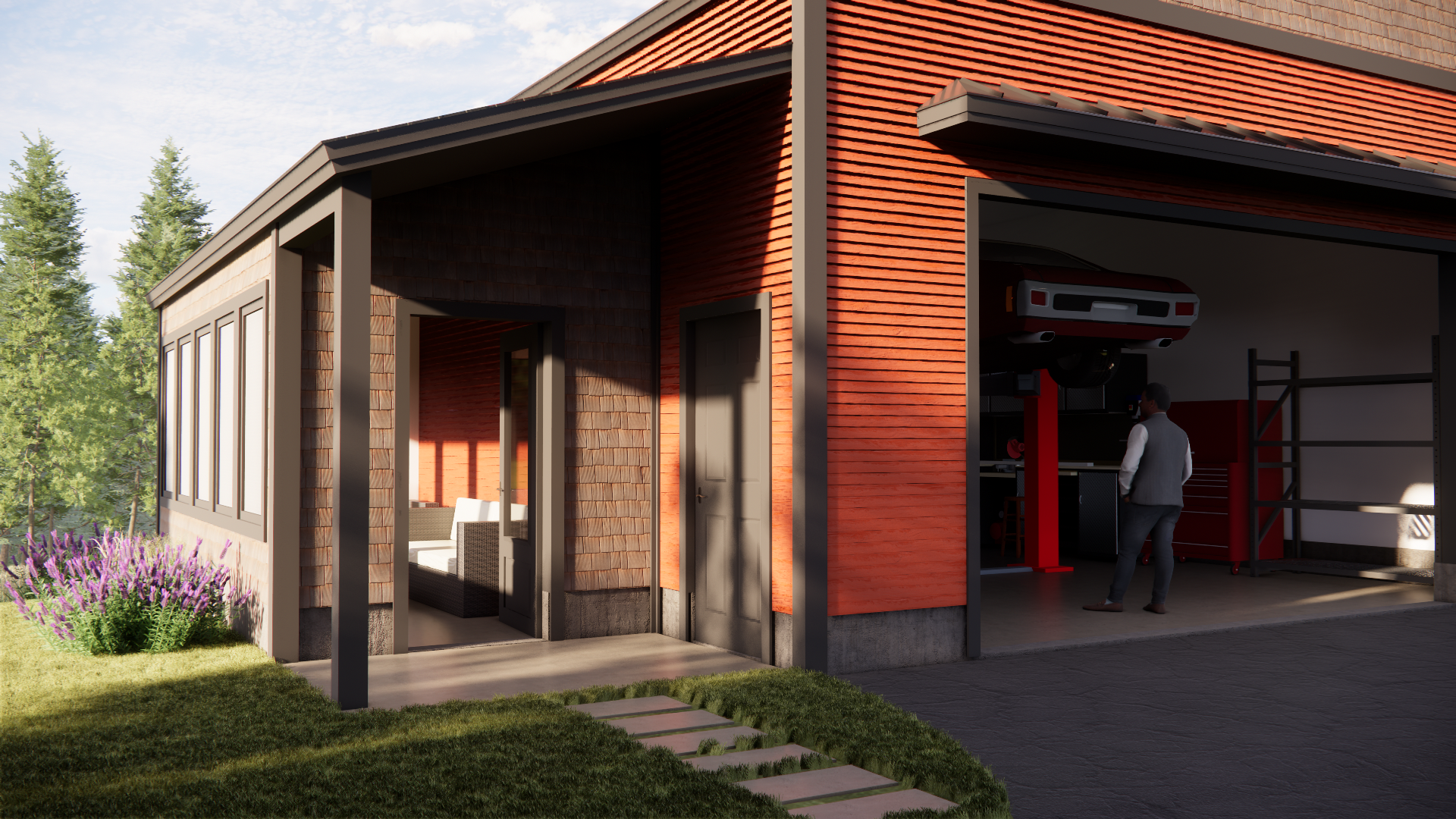
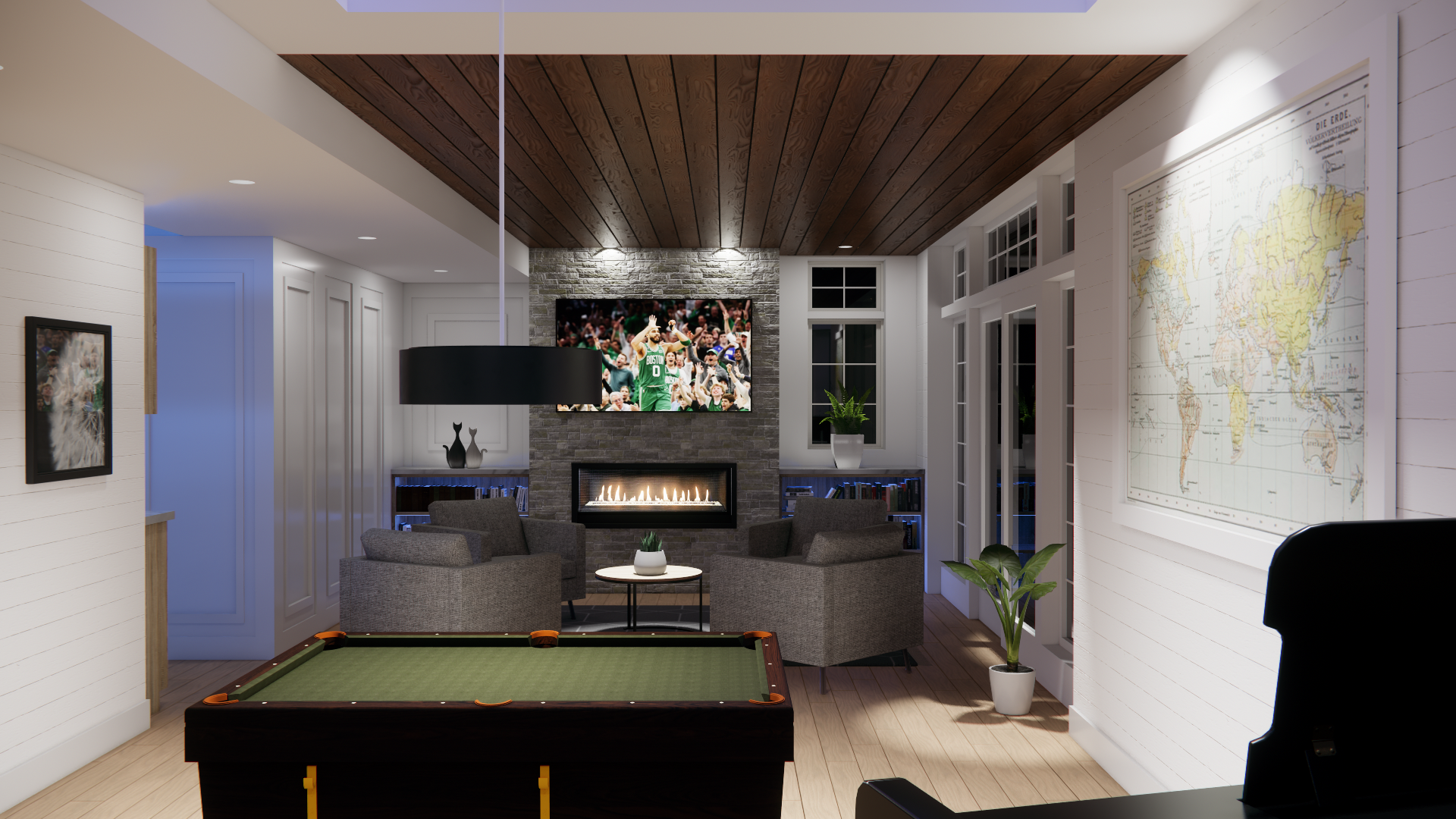
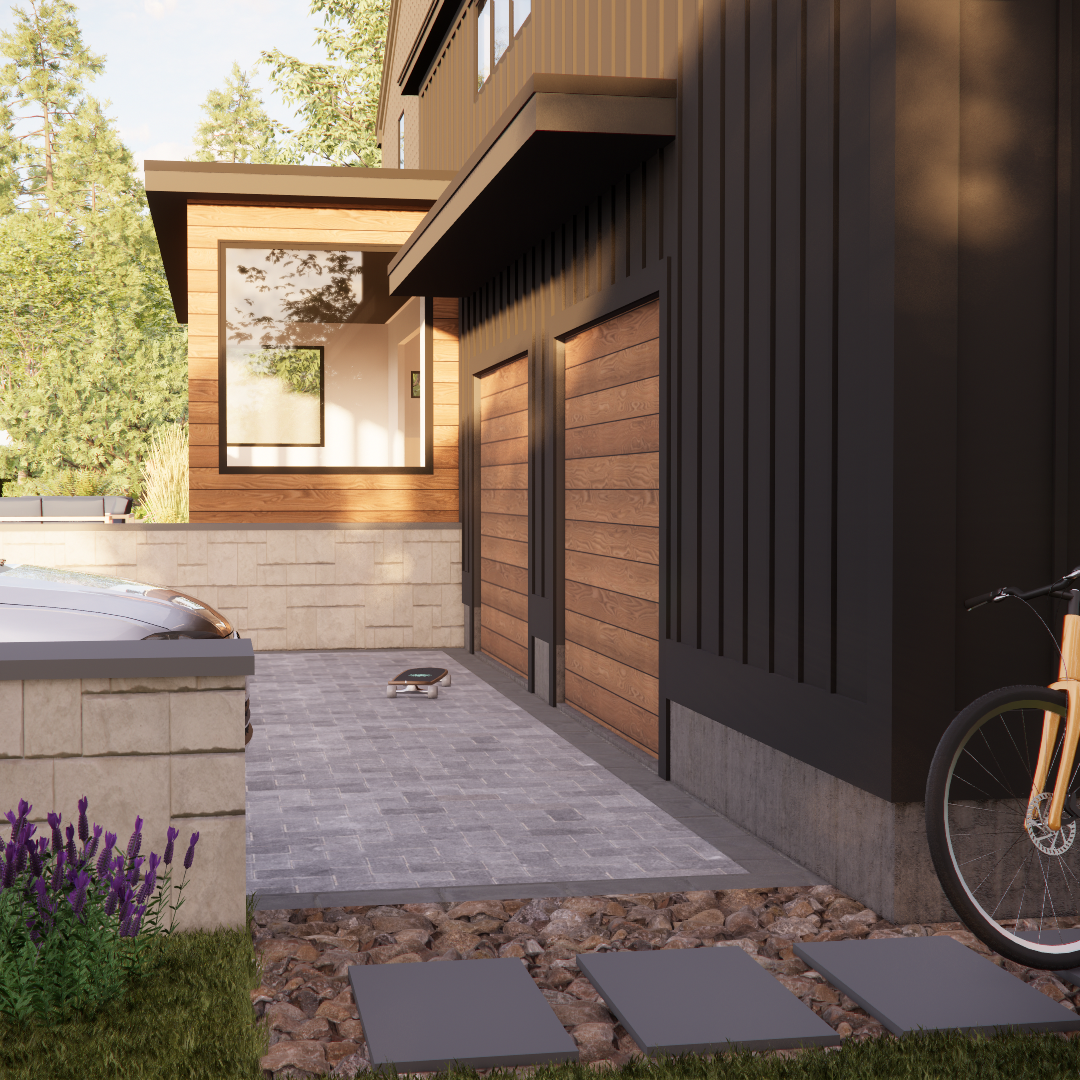
Building Designers vs. Architects
Both Building Designers and Architects play important roles in shaping the spaces we live and work in. They often do similar work—especially in the residential world—but they come from different backgrounds, follow different professional paths, and operate under different organizations. Understanding these differences can help you make the right call for your project… or your career.
Professional Organizations
In the U.S., architects are represented by the AIA (American Institute of Architects), while building designers are represented by the AIBD (American Institute of Building Design).
AIA members are licensed architects. They’ve completed accredited university programs, professional internships, and passed national exams to earn their license. Their training prepares them to design everything from homes to hospitals and skyscrapers.
AIBD members focus mainly on residential design. The AIBD promotes professional standards, ethics, and continuing education for building designers. It also offers the CPBD (Certified Professional Building Designer) credential — a respected certification that can help demonstrate your expertise and commitment to the field.
It’s important to note that AIBD membership or certification is not required to work as a building designer. Many successful designers build thriving practices without it. Think of it as an optional way to add credibility—not a prerequisite. Design Build Academy gives you the skills, tools, and process you need to work professionally in this field. Credentials like CPBD can be a great add-on later if you choose to pursue them.
Education & Career Paths
Architects typically take a formal academic route: 5+ years of university, internships, exams, and licensure.
Building Designers often follow a more hands-on path. Many start in construction or related trades, then build their design skills through CAD training, short courses, mentorship, and real-world experience. This pathway is ideal for builders who already understand how buildings come together and want to expand their role into design.
Scope of Work
Architects are licensed to design all types of buildings, including commercial, industrial, and institutional projects. They often provide structural engineering and interior design in-house.
Building Designers focus on residential and light commercial projects—single-family homes, duplexes, additions, remodels, ADUs, and more. When projects call for engineering or interior design, they typically collaborate with trusted specialists to assemble the right team for each job.
Regulations and Licensing
In most states, building designers can legally design single-family homes and other small residential projects. Local rules can vary, so it’s always a good idea to check city or county requirements—but for typical homes, your skills as a building designer are fully valid and in demand. Optional certifications like AIBD’s CPBD can add professional credibility, but they aren’t required to enter or succeed in the field.
Why This Matters
For many builders, the Building Designer pathway is a natural next step. It’s a legitimate, recognized professional track that lets you use your practical knowledge in a bigger way—without spending years in architecture school. Design Build Academy gives you the foundation to step confidently into the role of a designer, and if you ever want to pursue additional credentials, you’ll already have the skills to do it with ease.